


Nouvelles
By Susan Anthony, PhD Candidate, University of Western Ontario
Our initial aim for me and my supervisor Dr. Brent Sinclair was to travel to the Yukon to collect spiders. We had heard from Dr. Chris Buddle, who would meet us there, that spiders are plentiful. And indeed they were! But what we didn’t expect was to be charmed, and infinitely curious, about the tiny (max. 3mm) but feisty pseudoscorpion Wyochernes asiaticus.

Female W. asiaticus with a brood pouch full of eggs. Many of the pseudoscorpions we found were gravid (full of eggs). When we brought them home, the eggs hatched are we had baby pseudoscorpions. Photo credit: Brent Sinclair
Our research team left Whitehorse with supplies (food, stove, 4WD vehicle, and lots of collecting containers), and spent the next two weeks exploring the tundra heading north on the Dempster Highway. This highway is probably the only maintained road in northern Yukon, and it provided access for us to the Beringian region. As the glaciers swept much of North America during the last ice age, Beringia was the land that was never glaciated. For this reason, many of the species located there pre-date the last ice age, such as W. asiaticus. Now, this creature may not be as exciting as a mammoth or a giant beaver, but to arthropod researchers, it was very special.
It was Dr. Buddle that pointed us to these creatures. He had found them on previous trips, and wanted to collect more from different latitudes (we spanned about 10 degrees of latitude on our trip). He had us help collect the pseudoscorpions: they live on the underside of flat rocks along river banks. It was while collecting them that we wondered what they did for the rest of the year. They would not only have to withstand the grueling cold of an Arctic winter, and they were also in an area that would experience periodic flooding. We wanted to see what their tolerance is for cold and for submergence. We packed them up, and brought them back to our lab at the University of Western Ontario, along with about 600 spiders.
When back in the lab, I measured freezing point, their critical thermal minima and maxima (CTmin and CTmax; the limits of activity) of the pseudoscorpions. Their freezing point, and whether or not they survive freezing, gives us an idea of their ability to survive the frigid winters in the Arctic. We are interested in CTmin and CTmax because they are good ideas of their ecological limits, if they can’t move, they can’t feed or defend themselves. What we discovered is that these little critters have very poor cold tolerance. They don’t survive freezing, and roughly -4°C, they can’t move. The Arctic gets much, much colder than that. Our only guess is that they seek very effective thermal refuges in the winter, or somehow adjust their cold tolerance through the year, much like many insects.
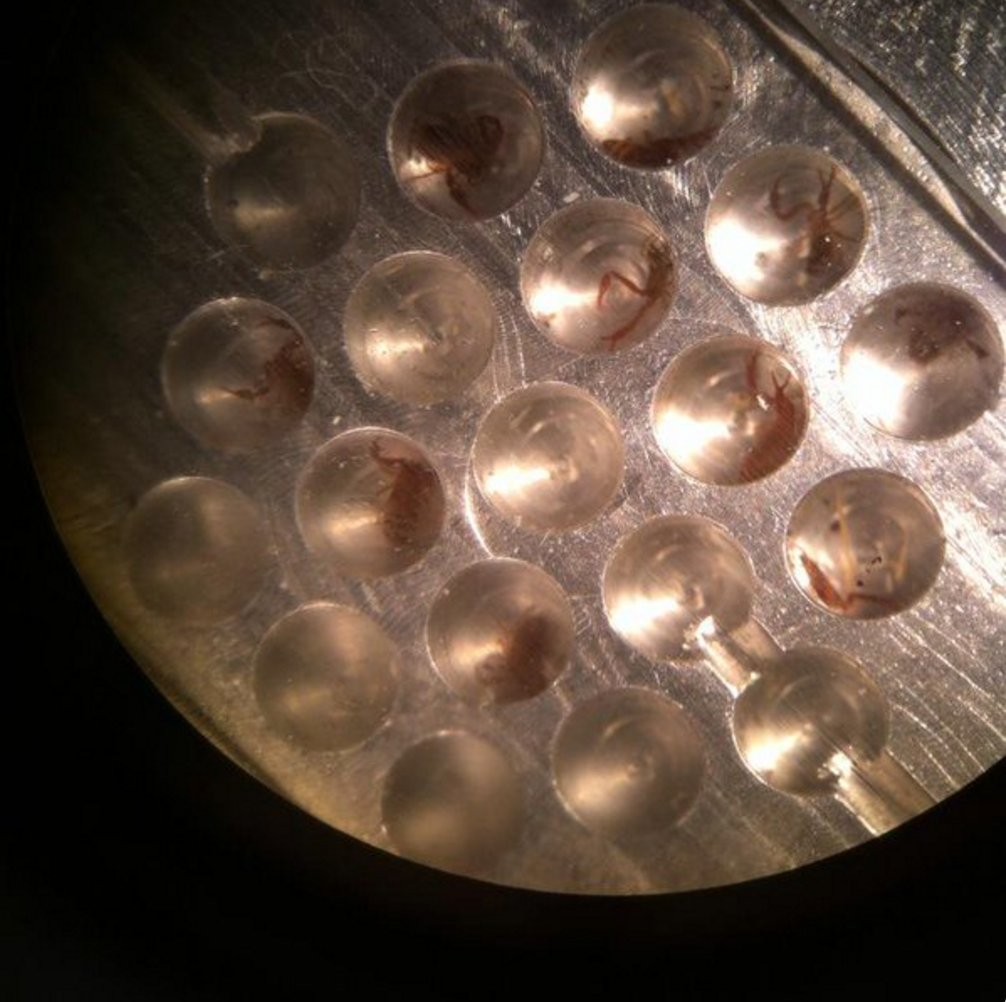
Back in the lab, I used a metal block with small holes drilled into it to house the pseudoscorpions. The block could be heated or cooled, and I could observe the point at which they could no longer move. Photo take through the lens of a microscope. Photo credit: Susan Anthony
Speaking of seasonal change, we found W. asiaticus along the stream. Undoubtedly, their homes will be flooded seasonally. Do they migrate further up from the stream? Do they swim? Or do they bring a bubble of air down with them, like the diving spiders? It seemed at first that they held a bubble of air between their abdomen and the rocks that they latch onto. They survived for a week in highly oxygenated water (same survival as the ones who weren’t underwater). However, it was also the same survival as those submerged in low oxygenated water. Half of them even survived 2 weeks in the low oxygenated water. We concluded that they can tolerate being underwater, but they likely don’t rely on oxygen coming from the water around their air pocket.

Sheep Creek, the stream where we collected Wyochernes asiaticus. The animals were most common approx. 1m above river level, on the underside of flat rocks. Photo credit: Chris Buddle
Our trip up North to collect spiders gave us a great surprise. A small pseudoscorpion on the banks of the streams caught our attention. However, there was so much to capture our fascination up North. From the giant grizzly bear and caribou, to the hundreds of spiders and the collembolans they much upon. The Arctic is indeed an unique place.
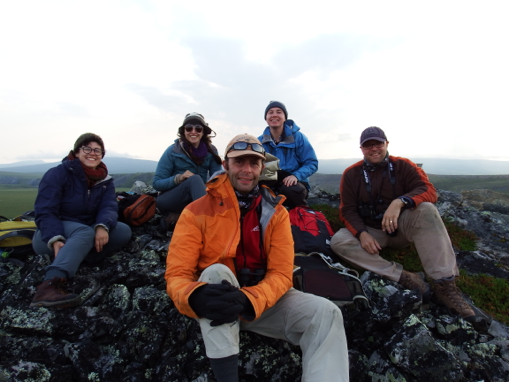
The Arctic biology crew: (l-r) Anne-Sophie Caron (McGill University), me Susan Anthony (Western University), Dr. Brent Sinclair (Western University), Shaun Thurney (McGill University), and Dr. Chris Buddle (McGill University). Photo credit: Mhairi McFarlane.
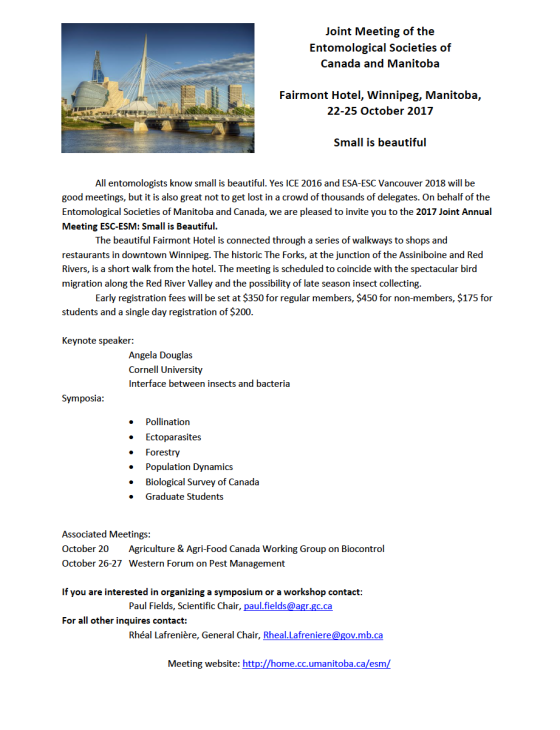
Yes, the International Congress of Entomology, which included the 2016 Entomological Society of Canada meeting contained within it, has just drawn to a close, but it’s never too early to start planning and preparing for the next ESC Annual Meeting!
So, in 2017, please accept the invitation of the Entomological Society of Manitoba to join entomologists from across the country in Winnipeg October 22-25 to share their, and your, entomological research and curiosity!
Official 2017 ESC-ESM Joint Annual Meeting Website
By B. Staffan Lindgren (@bslindgren)
I have always thought of myself as extremely fortunate and blessed to have made a career in entomology. The main reason is that 99.9% of all entomologists I have met and come to know over the years have been extremely nice people. Like most entomologists, I was interested in animals (which in my case included insects and spiders) at a young age. Many of my friends probably considered me a bit odd, but that’s as far as it went as far as I recall. Unfortunately, that is not always the case as this story reveals.
The other day I (along with a large number of people on Twitter) got to witness this kindness in action in a way that warms my heart. Nicole Spencer, a concerned mother, sent a request to the Entomological Society of Canada (ESC) regarding her young daughter, Sophia, who happens to love insects and wants to become an entomologist when she grows up. Sophia’s interest has somehow led to teasing and outright bullying in school, however. Fortunately Sophia’s mom understands the importance of nurturing her daughter’s interest, as did my mother even though I kept spiders in jars in my bedroom. Nicole’s and Sophia’s heartfelt letter was passed on to Morgan Jackson (@BioInFocus), who promptly posted a tweet on behalf of the ESC (@CanEntomologist) asking entomologists to help out. This tweet, which displayed the letter, included the hashtag #BugsR4Girls, and it quickly went viral.
A young girl who loves insects is being bullied & needs our support. DM your email & we'll connect you! #BugsR4Girls pic.twitter.com/kjtfSJSlre
— Ent Soc of Canada (@CanEntomologist) August 25, 2016
 Within a very short period, Morgan had amassed a list of 100+ people willing to assist, along with a number of additional offers from non-entomologists. An offer even came from celebrity Dominic Monaghan, British actor and host of the television program Wild Things with Dominic Monaghan. You can get the gist of it all from the Storify that Morgan put together. The huge response led to interest from media, and Sophia and her mom were featured on Buzzfeed Canada, where the whole story is revealed. It hasn’t ended there. Another media story came from LFPress, and Sophia’s story even made the front page of the Toronto Star! In addition, numerous tweets have been posted with or without the hashtag, and above I have reproduced 3 (but there are so many more that you really need to look for yourself). I also posted about this on my Facebook Page, and the story was shared by others there. The comments from this one really says it all!
I mentioned non-entomologists. Here is an open letter to Sophia (called Beatrix in the letter because the author didn’t know her name at the time) from a science communicator.
On the one hand this is a story about a little girl who has big dreams. On the other hand it is a story about the future of women in STEM. Sophia has dreams about becoming a scientist, but both she and her mother are uncertain of what possibilities are out there. Many other young children are in the same boat, I’m sure. But the journey starts at home with parents encouraging children to believe that they can be or do whatever they set their minds to. Last Friday I listened to a CBC Radio show with Maria Issa, a Canadian scientist who started in life just like Sophia by daydreaming and watching lady bugs. In spite of the odds being stacked high against her success, she made it, but many are discouraged, which later affects their self-confidence. My experience is that there is no gender difference in ability – in fact women mature sooner and are more focused than men IMHO. And the increasing number of brilliant female scientists in entomology is a case in point. Luckily for Sophia, she has an encouraging mother. Whether or not she becomes an entomologist is not the point. The point is that she believes in the possibility.
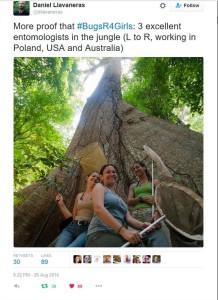 For me, Sophia’s story is a wonderful, multifaceted teachable moment. With all her new friends, Sophia will do just fine. I wish her all the luck in the world.

Seeking Two Postdoctoral Fellows in Tree Responses to Insect Herbivores and Drought
Area of Research: Chemical Ecology & Ecophysiology
Location: Department of Renewable Resources, University of Alberta, Edmonton (Alberta, Canada)
Description of positions: The interdisciplinary project goal is to characterize the contributions that metabolomics and genomics-assisted tree breeding can play in comprehensive forest planning. Postdoctoral fellows (PDFs) sought for this project to assess the activities of tree defense and ecophysiological responses to insect herbivory and drought. The PDFs will characterize the secondary compounds, anatomy, and ecophysiology of two conifer species (lodgepole pine and white spruce) in response to insect herbivory and drought treatments in both greenhouse trials and associated progeny field trials in Alberta. The PDFs will be responsible for conducting and coordinating both lab and field investigations that include anatomical and chemical characterization of tree defenses, assessment of 13C, gas exchange, and chlorophyll fluorescence plant drought response, implementation of greenhouse and field experiments, data management, statistical analyses, writing reports and peer-reviewed journal manuscripts, and interact with industrial and government partners. The PDFs will also assist with supervision of full and part-time research assistants and undergraduate students. Even though each PDF will have his/her own research projects, it is expected that they work and collaborate together.
Salary: $50,000+ benefits per year, commensurate with experience.
Required qualifications: PhD in a relevant field is required. The ideal candidate should have background and experience in chemical ecology, ecophysiology, entomology, forest ecology, with strong analytical chemistry of plant secondary compounds (primarily terpenes and phenolics) using GC-MS and LC-MS, and writing skills. Suitable applicants with a primary background in one or more areas, plus interest in other research areas, are encouraged to apply.
Application instructions: All individuals interested in these positions must submit: (1) an updated CV; and (2) a cover letter explaining their qualities, including a list of 3 references along with their contact information (a maximum of 2 pages). Applications should be sent by email to Nadir Erbilgin (erbilgin@aulberta.ca) and Barb Thomas (bthomas@ualberta.ca) by the closing date. Please list “PDF application in Tree Responses to Insect Herbivores and Drought” in the subject heading.
Closing date: November 30, 2016.
Supervisors: Nadir Erbilgin (https://sites.ualberta.ca/~erbilgin/) and Barb Thomas (http://www.rr.ualberta.ca/StaffProfiles/AcademicStaff/Thomas.aspx)
Expected start date: January 2017 (with some flexibility)
Terms: 1-4 years (1st year initial appointment, with additional years subject to satisfactory performance).

It is about time I got busy and stared blogging again on this site. Since I am out of practice, I will do what I know best: a photo essay about why I love insects and other arthropods, and how studying them has improved my life!

Ever since I was a young kid, I have loved getting out and seeing the animals nearby. When I was very young, my mom would send me in the backyard with a spoon and a yogurt container, so I could dig up, catch and watch the bugs I found.
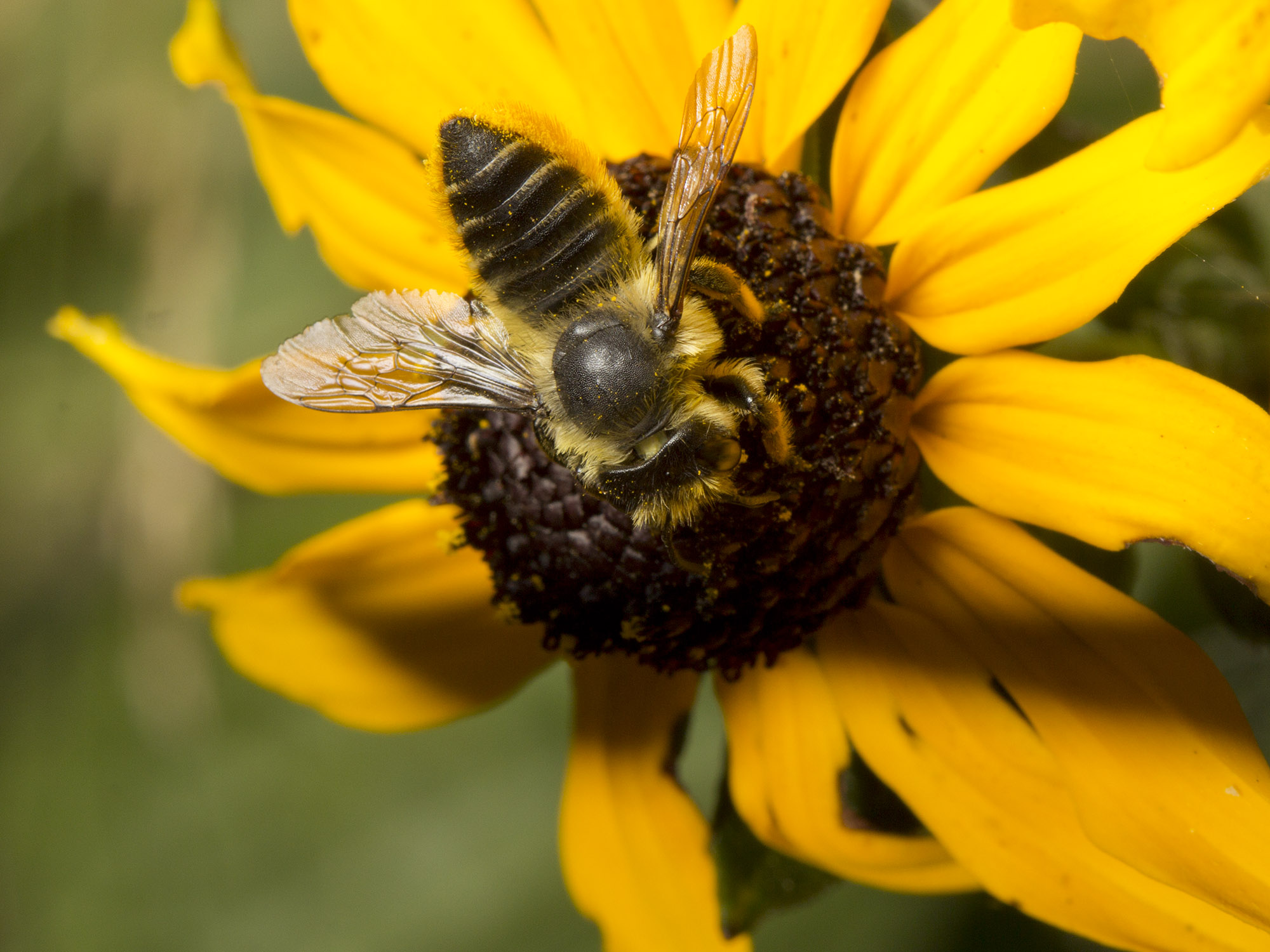
In school, virtually all of my research reports and essays would be about insects, spiders, snakes and other animals. My love of insects became my pathway to learning.
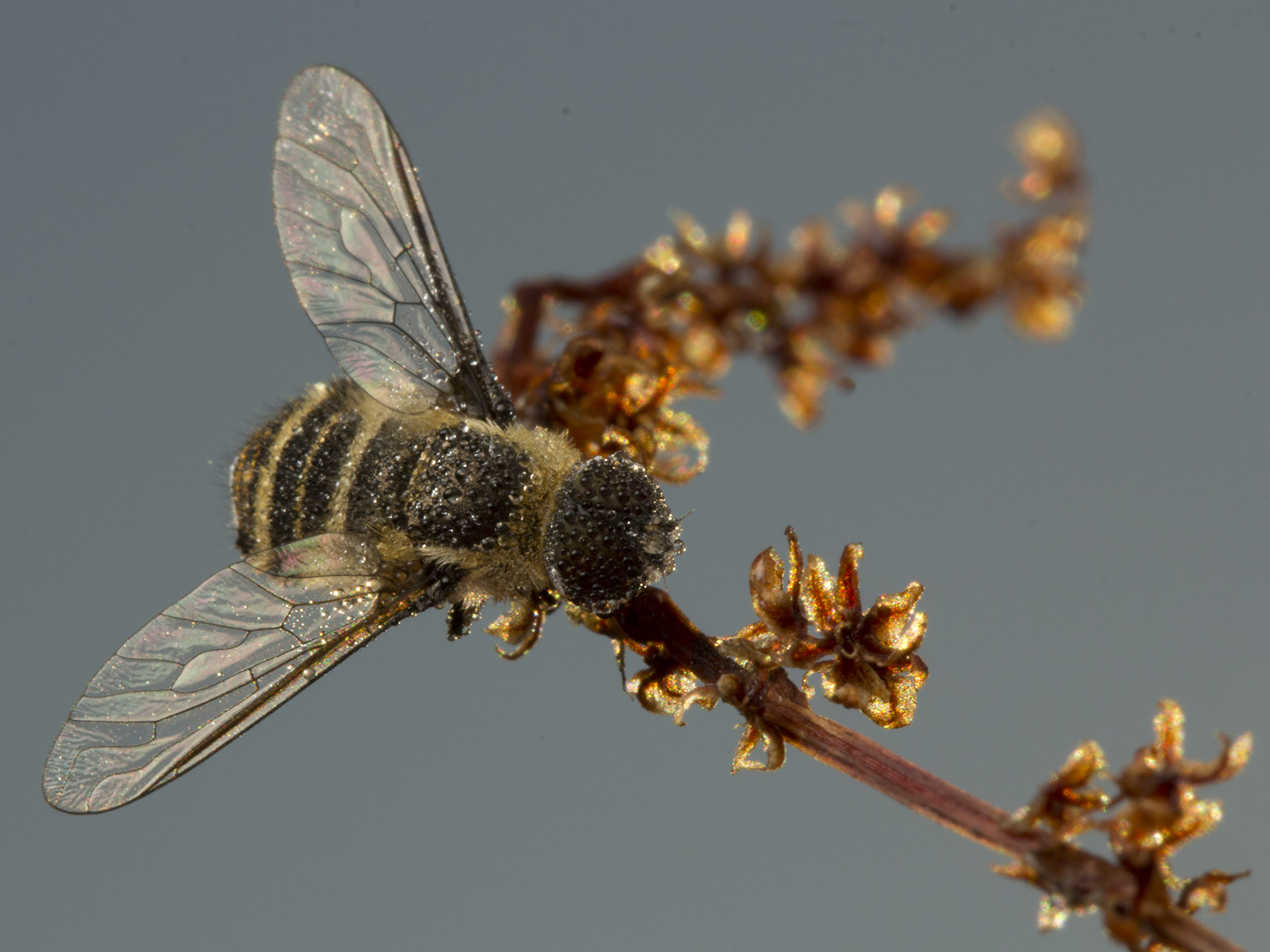
In university, I continued to indulge my love of insects and other animals, by taking any and all zoological courses offered.

Even when not studying, almost all the free time I get is spent outdoors, still looking for and watching insects, spiders and other animals. I really enjoy doing photography of what I find.
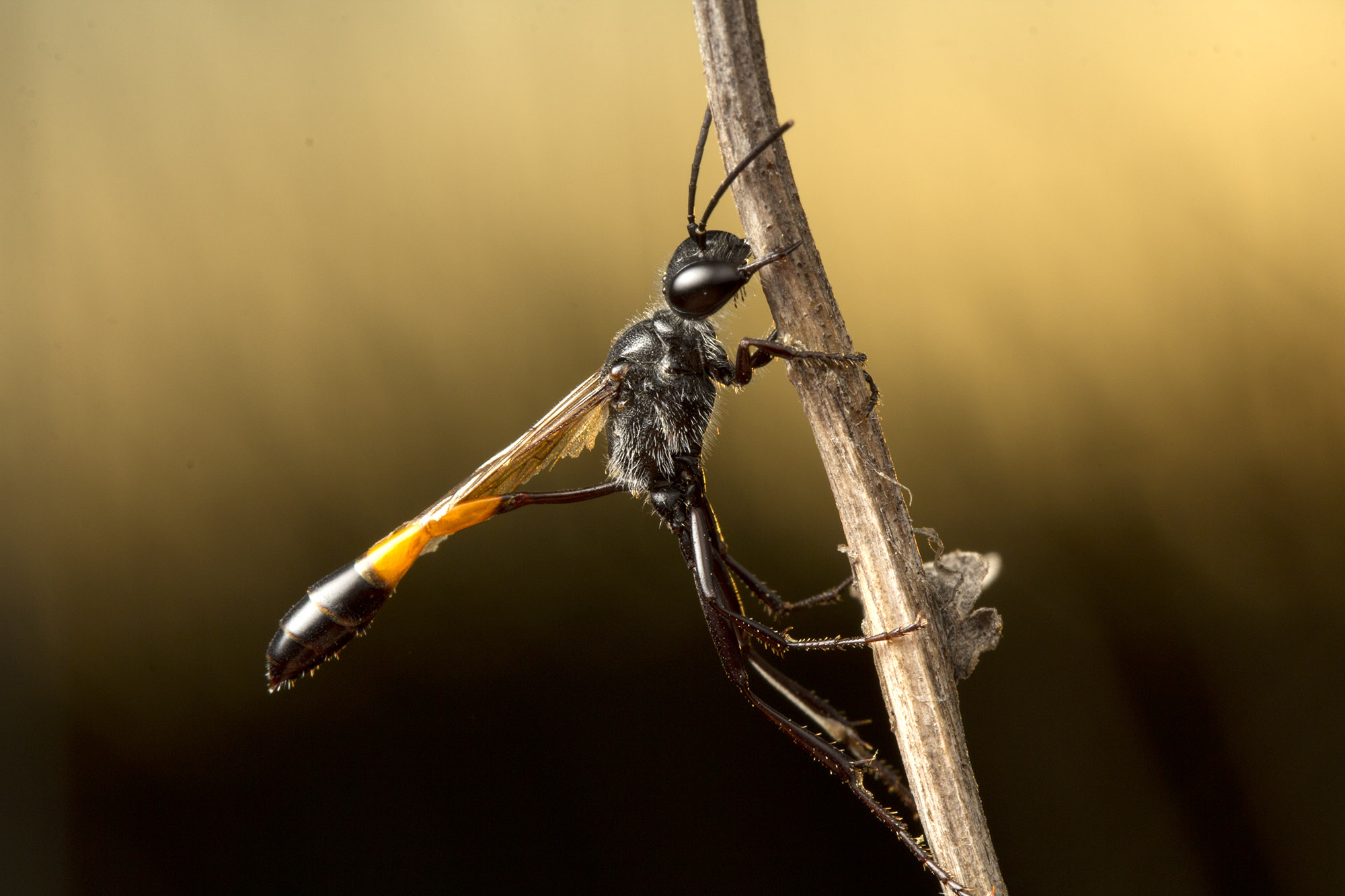
Taking photos of insects is a great way to explore their beauty, and to try to communicate that to others. In the pursuit of a good photograph, I learn a lot about the habits of local insects.

Now, I make a living studying animal behaviour. At the moment I am working with Catherine Scott studying spider behaviour at a local beach in Victoria BC.
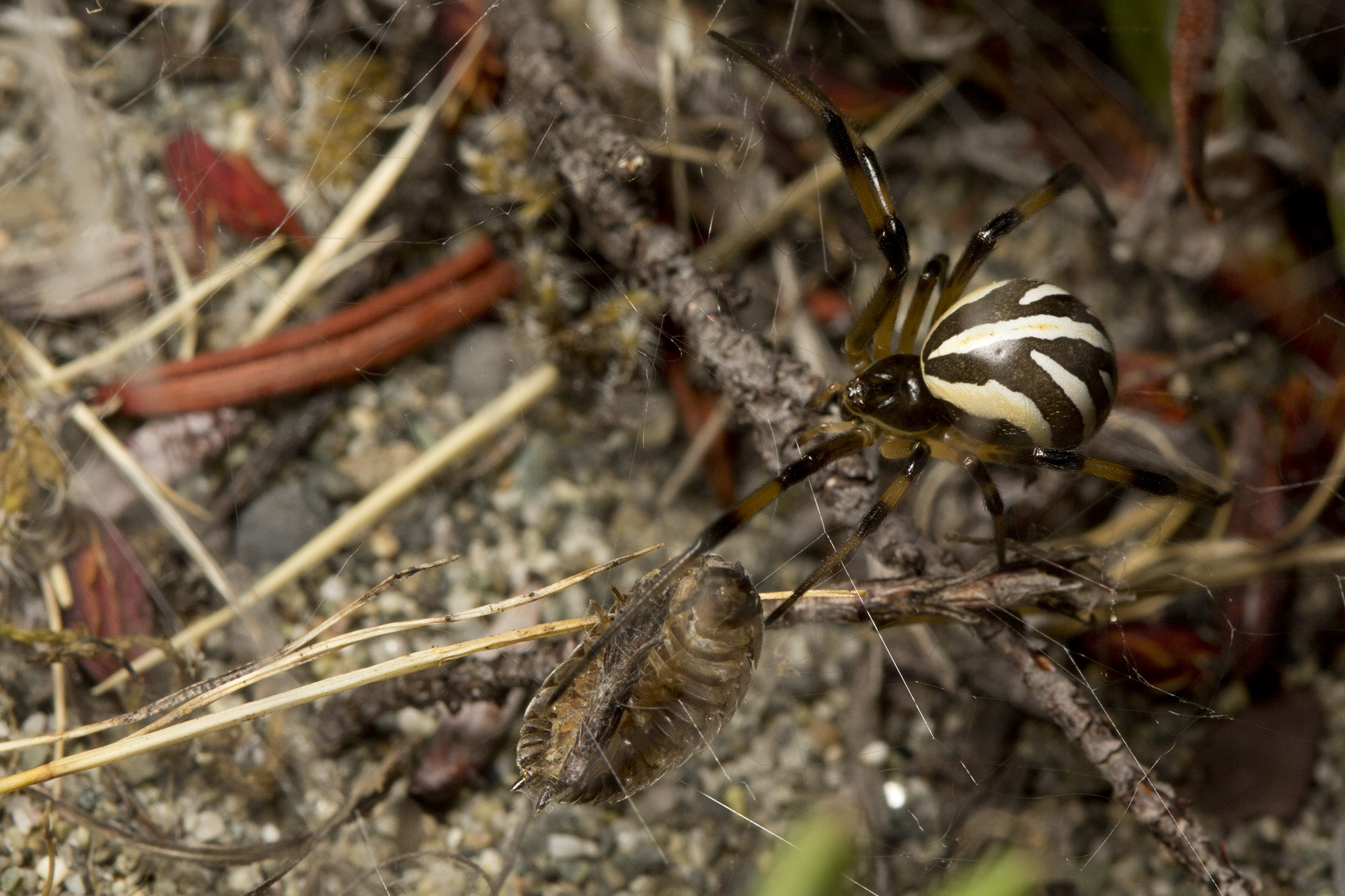
We are studying black widows, one of the most beautiful and intriguing spiders. Of course I bring my camera along, to document the cool things we are learning about their behaviour!
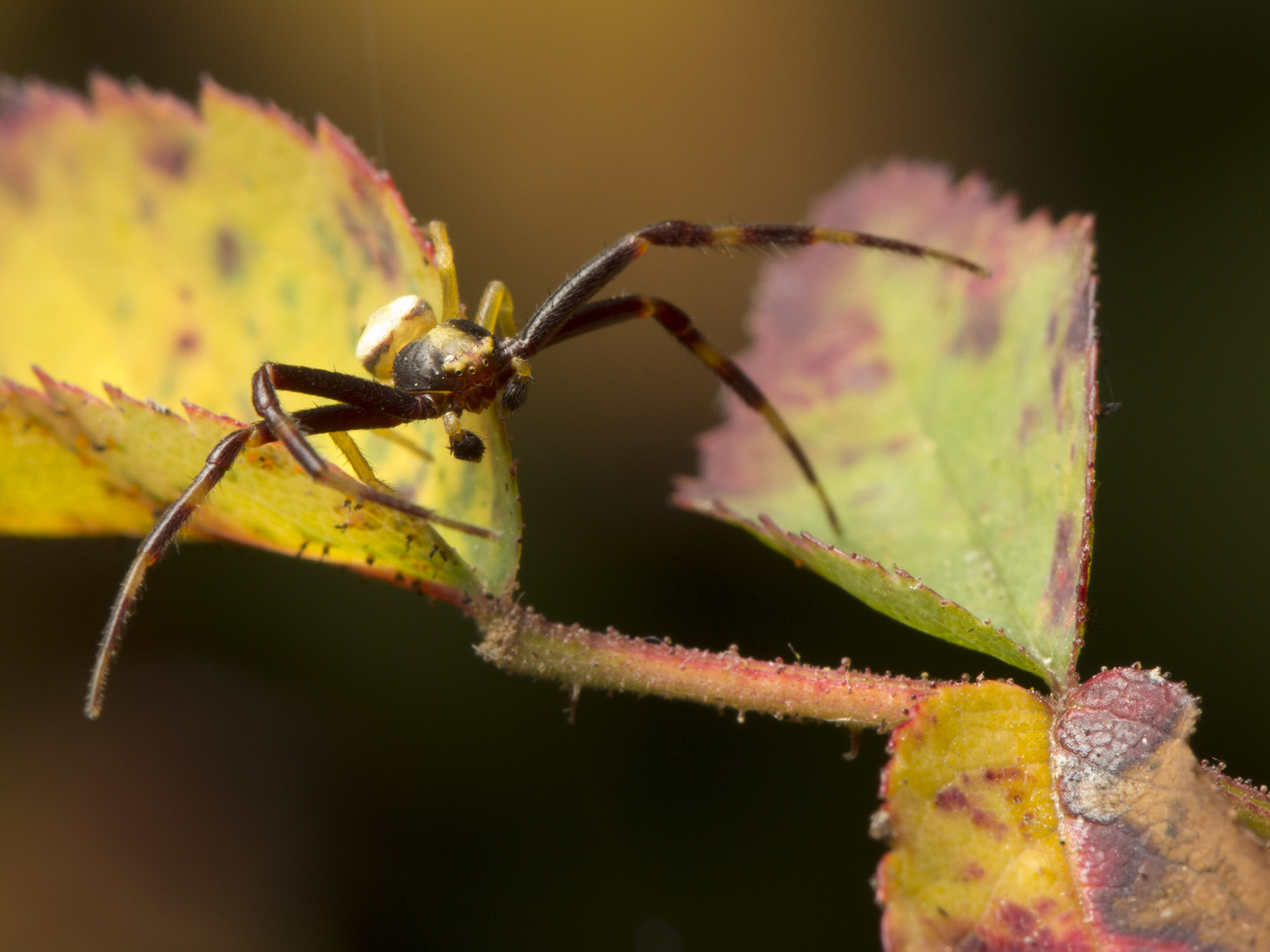
Studying insects and spiders is not only my job, it is what I most love to do. There is just so much to learn and explore. I think that getting out and experiencing the natural world this way is one of the most rewarding things someone of any age can do!
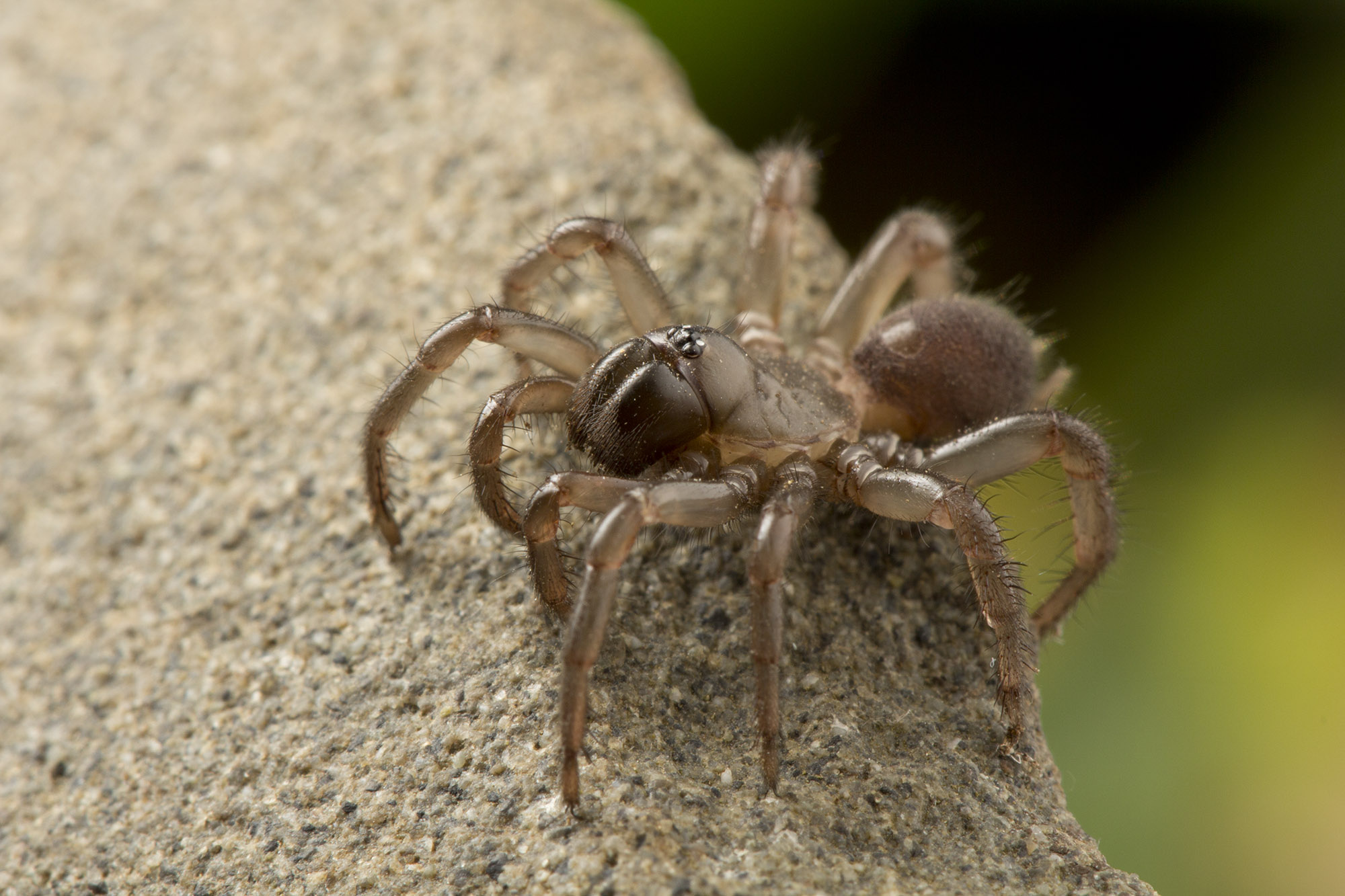
Organizations like the Entomological Society of Canada, as well as the Entomological Society of Ontario, and the Toronto Entomologist’s Association form a community of people I can talk to and share my discoveries with. I highly recommend getting together with other insect lovers! Trading ideas and anecdotes and learning more together are some ways we can improve knowledge of insects and other arthropods.
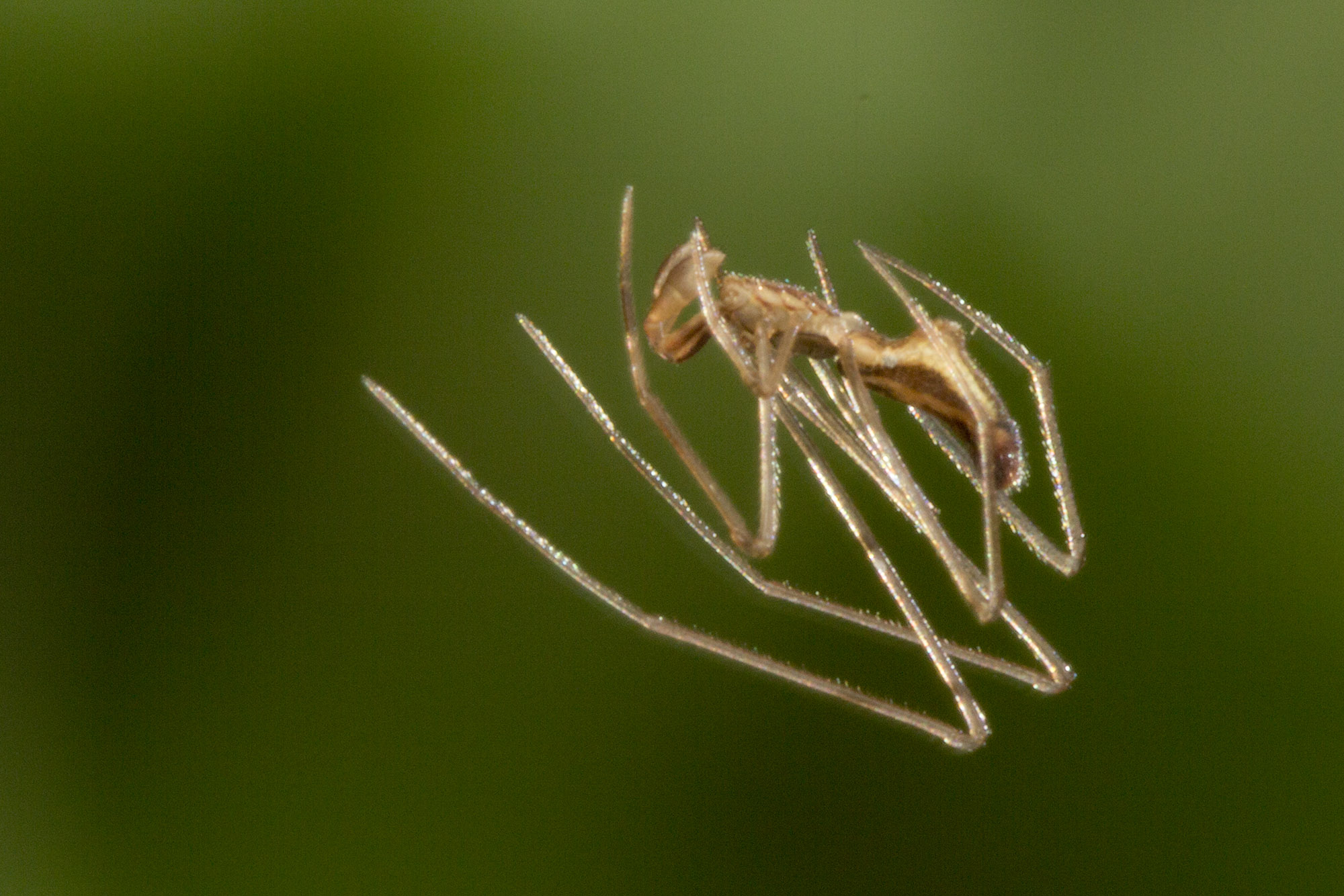
OK! I have said my piece. I would welcome any other ESC members, or other entomologists out there to do likewise! What have you been doing this summer? What are some of the cool things you have seen? Share them with us here at the ESC blog!
CONTACTER LA SOCIÉTÉ
Assistant administratif : info@esc-sec.ca
SEC Président : ESCPresident@esc-sec.ca
This post is also available in: