


Nouvelles

Me at the University of Guelph Elora Research Station.
by Elisabeth Hodgdon, Ph.D. Candidate, University of Vermont
“It’s a story of unrequited love,” says Dr. Yolanda Chen, my Ph.D. advisor, describing our research on pheromone mating disruption. Mating disruption, a pest management strategy that involves inundating a field with synthetic sex pheromone, prevents male insects from finding their mates because they can’t cue in on individual female pheromone plumes. As a result, the males become confused and die without mating. During my time as a Ph.D. student, I’ve spent a lot of time in Vermont and Ontario becoming intimately familiar with the sex lives of swede midge, a serious invasive pest of cruciferous crops.
Swede midge (Contarinia nasturtii, Diptera: Cecidomyiidae) first arrived in North America in the 1990s in Ontario. Vegetable growers started noticing that their broccoli, cauliflower, and cabbage plants were deformed and didn’t produce heads, and that their kale leaves were twisted and scarred. On canola farms, yields decreased because of distorted plant growth. The culprit, identified by Dr. Rebecca Hallett and her research group from the University of Guelph, was a tiny fly called swede midge. The midge, only about 2 mm long as an adult, is seemingly invisible to farmers because it is so small. Within a few years, the midge had made its way from Ontario to Québec and other provinces, and into New York and Vermont.

Female swede midge on cauliflower.
At the University of Vermont, we are the only research lab in the US working on this pest, which is currently causing up to 100% yield loss of organic broccoli and kale in our state. Naturally, it made sense for Dr. Chen to reach out to Dr. Hallett in Guelph for collaboration to investigate management options for this pest. Together, they wrote a grant funded by the USDA to conduct pheromone mating disruption research on swede midge that would take place in both Vermont and in Guelph.
This where I enter into the story. I jumped at the opportunity to join Dr. Chen’s lab, not just because I’m interested in insect pest management, but also because of my continuing love affair with Canada. I grew up in Vermont, a small state that borders Québec and has had lots of influence from our northerly neighbors: a history of French-Canadian immigrants, widespread availability of decent quality poutine, and signage in our largest city en français, among other things. I grew up learning French and visiting nearby Montréal and later went on to study agriculture at McGill University’s Macdonald Campus. I was thrilled at the opportunity to spend more time in Canada during my Ph.D. program.

Me and University of Guelph entomology graduate students at the ESC meeting in Winnipeg last fall: Charles-Étienne Ferland, Jenny Liu, me, Sarah Dolson & Matt Muzzatti (left to right). Photo credit: Matt Muzzatti.
I have gotten to know the English-speaking provinces better through my graduate work as a visiting Ph.D. student in Dr. Hallett’s lab in Guelph. Although many Canadians, especially those from nearby Toronto, describe Guelph as being a “small farm town,” it felt like a real city, especially coming from Vermont. I fell in love with Guelph — the year-round farmers market, old stone buildings, beautiful gardens, and emphasis on local food. The large sprawling farms just outside the city were the perfect places for me to do my research on swede midge pheromone mating disruption, which required lots of space between plots and treatments. Back in Vermont, where the farmland is wedged in small valleys between mountain ranges, we just don’t have the scale of crop production that there is in Ontario.

Josée Boisclair, me, Yolanda Chen, and Thomas Heer (left to right) at IRDA this summer getting ready to transplant broccoli for mating disruption research.
Working with Dr. Hallett opened up many doors and expanded my network in Canada. Last year, my advisor and I started a collaboration with the Institut de recherche et de développement en agroenvironnement (IRDA) in St-Bruno-de-Montarville, Québec. Earlier this winter, I practiced my French and mustered up the nerve to give two extension presentations on my swede midge work to francophone farmers in Québec. I was surprised at the number of people who came up to me after my talk, appreciative that I was making an effort to communicate with them in French rather than English. They were genuinely interested in working together with my research group across the border to help strengthen our research efforts to manage swede midge.
In all the time I’ve spent in Canada (which at this point can be measured in years), I can’t think of a time when I’ve felt unwelcome. On the contrary, I am impressed with how open most Canadians are to foreigners. I hope that we can continue to work together, despite language barriers, differing political systems, and other potential challenges, to gain traction in our efforts to find solutions for swede midge and other shared invasive species in the future.
 Extrait de « Dévorés », un roman de science-fiction entomologique post-apocalyptique qui paraîtra aux Éditions L’Interligne (Ottawa) le 7 février 2018. « Dévorés » est le premier roman de Charles-Étienne Ferland, candidat à la maîtrise en entomologie à l’Université de Guelph et cofondateur d’une jeune entreprise qui conçoit des applications mobiles utilisant les technologies d’apprentissage automatique pour identifier les insectes.
Dans les dix jours qui suivirent le début de l’invasion, les insectes privèrent l’Homme de tout moyen de subsistance. Ils paralysèrent le secteur agroalimentaire, sans toucher aux herbes ou aux arbres incomestibles.
 Les projets de culture en serre hermétique, et ceux dans les grottes souterraines, furent autant d’échecs. Inexplicablement, l’insecte parvenait à s’infiltrer et à saccager les jeunes pousses. Les tentatives de transmettre un virus aux voraces ravageurs des cultures ou de les empoisonner au moyen de cristaux parasporaux de bacilles furent vaines. L’utilisation de cultivars transgéniques fit chou blanc. L’insecte n’était pas appâté par les attractifs alimentaires synthétiques, ni par des phéromones artificielles développées en vitesse. Il n’existait aucun ennemi naturel apparent.
Dehors, des avions survolaient les champs, pulvérisant à profusion de l’insecticide sur les guêpes insatiables poursuivant leur carnage. Malgré la menace, plusieurs groupes environnementaux manifestaient dans les rues. Ils étaient furieux d’assister, impuissants, à la destruction des écosystèmes, cinquante ans après la publication de Printemps silencieux écrit par la biologiste Rachel Carson. Dans les régions nordiques, on construisait des serres isolées. On aménageait des semi-remorques hydroponiques chauffées et éclairées. Malgré les protocoles de quarantaine, les guêpes y apparaissaient dès que les conditions devenaient adéquates pour cultiver. Leur propagation défiait toute logique.
Après la disparition de presque toute la nourriture, la plupart des populations animales d’élevage se mirent à décliner à l’instar de l’humanité. Nombreuses furent les familles qui partirent vers les côtes ou vers les régions riveraines. Les populations de poissons diminuaient au rythme extra-industriel de la surpêche. D’autres gens prirent la route du Nord ou des déserts. Plusieurs personnes et animaux moururent de faim.
Au cours d’une décade, des émeutes éclatèrent lorsque les supermarchés épuisèrent leurs stocks. Les hécatombes se multiplièrent. Le nombre de croisades égoïstes au nom de la faim grimpa en flèche. La situation donnait lieu à des luttes brutales et sanguinaires entre insurgés et forces armées. Tout cela pour les dernières conserves qui hantaient les étalages des magasins à grande surface.
 Alors que la faim et la chaleur de l’été devenaient chaque jour un peu plus insupportables, que la Terre semblait tout indiquée pour devenir un désert stérile, la mutation se produisit. Une étrange cascade de transformations génétiques reprogrammant l’insecte. La guêpe adopta une nouvelle proie. Un seul et unique animal : l’Homo sapiens. Le jour de la mutation, la ville devint méconnaissable. De violentes secousses sismiques mirent à terre la moitié des bâtiments, des pylônes de lignes à haute tension et des arbres. Ce même jour, les guêpes femelles émergèrent du sous-sol. On aurait dit une version de l’insecte mâle aux dimensions décuplées. Des monstres capables de découper un homme en pièces. Tous ceux qui étaient à l’extérieur, en voiture, ou même un peu trop près d’une fenêtre au moment de l’émergence des femelles, furent condamnés. Ils se firent happer par les essaims si denses qu’on aurait dit qu’il s’agissait d’un seul et unique organisme, quelque Léviathan issu des Enfers. Les militaires déployés sur le terrain pour assurer un semblant d’ordre ouvrirent le feu. Les cibles étaient trop rapides, trop nombreuses. Les survivants se barricadèrent chez eux. D’autres se regroupèrent dans les souterrains du métro, un des rares endroits où les insectes anthropophages ne s’aventuraient pas depuis la mutation. Dès lors, l’être humain fut restreint à un mode de vie nocturne. Car dès que le soleil se levait, des nuées de guêpes affamées s’accaparaient les villes fantômes. Le jour leur appartenait. Et celui qui s’aventurait à l’extérieur lorsqu’il faisait clair était voué à un destin funeste, poignardé de dards comme César de dagues sur le Champ de Mars.
Peu à peu, les autorités se montrèrent plus discrètes jusqu’à ce que l’électricité, les médias, les services, les communications et l’économie devinrent des reliques d’avant la crise. Des vagues de maladies surgirent, exacerbées par les misérables conditions sanitaires quasi médiévales. Entre autres, la dysenterie et le choléra atteignirent bon nombre de survivants. Les fièvres et les infections affligèrent les enfants comme les adultes. Au début, on inhuma les défunts, puis on les brûla – ce qu’il restait d’eux après le festin des guêpes – par incinération massive durant la nuit. D’autres furent empilés dans des fosses communes jusqu’à ce qu’elles débordent et que les dépouilles gisent dans les rues. On ne se donna même plus la peine de s’approcher ensuite. On rompit le contrat social. Devant l’échec de la loi martiale, on renonça aux règles de société, désormais révolues, pour s’en remettre à une nouvelle loi : chacun pour soi. La loi de la jungle. Dans la ville, des bandes d’assassins, de pillards et de brigands se formèrent, prêtes à tout pour mettre la main sur des armes, de la nourriture, de l’essence ou des médicaments en terrorisant les camps de survivants. En voyant s’éroder les fondations de la civilisation, force était de constater qu’avec le ventre vide, l’homme retrouvait un instinct de survie des plus égoïstes.
 Dans la métropole anarchique qui comptait désormais moins de dix mille âmes, Jack et Frank partageaient leur appartement avec Chad et Maddie. Il valait mieux se tenir à plusieurs. C’était plus sûr ainsi. Le groupuscule partageait un point commun. Aucun d’entre eux n’avait réussi à rejoindre les siens. La famille de Maddie demeurait en Europe. Les trajets transatlantiques, aériens comme maritimes – s’il y en avait encore –, étaient supposément réservés aux ambassadeurs, aux émissaires ou aux plus fortunés. Chad avait perdu ses proches dans les épidémies. Les centres de soins avaient été pris d’assaut et, sans antibiotiques, leurs chances de survie avaient chuté. La dernière fois que Jack avait eu des nouvelles de son père, de sa mère et de sa sœur, ils étaient en voilier sur les Grands Lacs. La famille avait mis le cap sur Main Duck Island, une petite île isolée et inhabitée baignant dans le lac Ontario, qui servait de colonie de pêche au début du 19e siècle. Des rumeurs circulaient à propos de havres épargnés par les insectes. « Pourvu que Main Duck n’ait pas été touchée. » Privé de moyen de communication, Jack n’en aurait le cœur net que s’il parvenait un jour à y poser le pied. Quant à Frank, même avant les évènements, il n’avait jamais été des plus volubiles au sujet de ses proches.
Au mois d’août, la civilisation d’avant l’infestation aurait aussi bien pu être un mythe, l’histoire d’un éden idyllique que l’on racontait aux enfants d’après les réminiscences des survivants. On entendait même parler d’une secte vénérant les guêpes. Des croyants extrémistes citaient les textes anciens, convaincus qu’il s’agissait d’une réédition augmentée de la huitième plaie d’Égypte. Un fléau divin prophétisé. L’apocalypse. La fin.
Les soumissions doivent mettre en valeur le thème de 2018 d’aller au-delà des frontières, inclure des organisateurs ou orateurs diversifiés et qui incluent des membres des États-Unis et du Canada, et inclure une façon innovatrice d’interagir avec l’auditoire pour en faire un évènement amusant et engageant! Aidez-nous à développer un programme diversifié pour la réunion annuelle en soumettant une proposition d’organisation de symposium. La date limite pour les soumissions est le 1er février 2018.
By Dr. Lauren Des Marteaux, Postdoctoral fellow, Biologické centrum AVČR
———
No one would describe me as having wanderlust; I am a nester, molding my surroundings for maximum comfort, convenience, and aesthetics. I loved my historic apartment, my extensive set of kitchen gadgets, and all of Canada’s familiarities (AKA Tim Horton’s everywhere, anytime). As a fresh post doc I had no idea what to expect when relocating from populous southern Ontario to a dorm room with a shared kitchen in small-town Czech Republic. Now (six months later), the only way to describe my time abroad would be overwhelmingly happy. Lire la suite
Welcome to the new home of the ESC Blog!
Nearly 350 million years ago, insects evolved the ability to totally transform themselves, and proceeded to take over the planet in a way that no other group of organisms has since. These new holometabolous species had stumbled upon the process of complete metamorphosis, a complex physiological process that is controlled by hormonal regulation, connected to outside stimuli, and constrained by natural selection, and which provided them the opportunity to further divide and conquer ecological niches while avoiding having adults compete directly with larvae for resources and space.
Today, insects with the ability to rearrange and reassign the majority of their cells into a new phenotypic expression are considered by many to represent a perfect allegory for rebirth, a new chance to make a difference, and a new opportunity to take on the world in ways they couldn’t before. While we here at the ESC Blog aren’t immune to allusions of grandeur and promises of world-changing impact, for now we’ll happily settle for a metamorphosis that results in a new look and home on the newly redesigned Entomological Society of Canada website, while we continue to provide a means for entomologists to share their passion, interests, and ideas in a public forum.
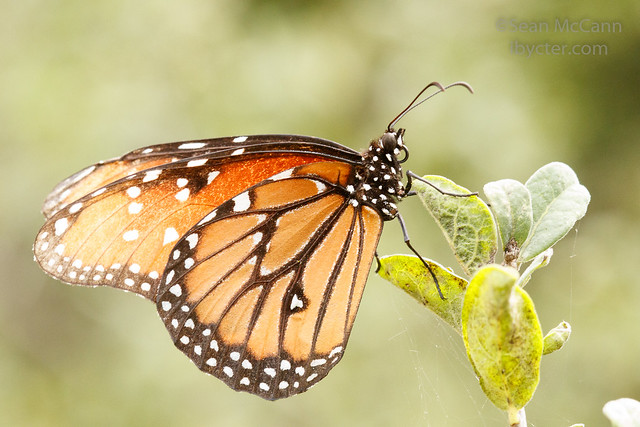
The ESC Blog debuted in June, 2012 at escsecblog.com, primarily because the old ESC website predated the very concept of a blog, and wasn’t technologically capable of hosting one. Now that the ESC homepage has been redesigned and updated thanks to Jordan Bannerman and the ESC Web Content committee, it only makes sense for us to make like a monarch and migrate, allowing us to better integrate with all of the other endeavours and efforts associated with the Entomological Society of Canada, and provide our authors and community better access to the ESC membership-at-large.
If this is your first introduction to the ESC Blog, thanks for joining us! While we work to continue bringing new content to the blog, why not poke through our archives (which we’ve fully migrated over to our new home) and see what we’ve been up to the last 5 years? Originally founded by Chris Buddle, Crystal Ernst, and Morgan Jackson as a means for entomologists with an interest in Canadian entomology to share what they were up to, the ESC Blog has provided an opportunity for entomologists and insect enthusiasts to contribute to a global conversation. Since 2012, we’ve welcomed Sean McCann as an additional editor, and published more than 200 articles that have been widely shared and read online, and we look forward to continuing to bring the inside scoop on insect research for years to come. We’ve covered everything from the pluralization of thrips, to an entomologist’s Nobel connection, and are thrilled to share new research from the next generation of entomologists.
If you’re interested in contributing to the ESC Blog, don’t hesitate to get in touch! We’re always looking for stories from the lab or field, updates on new and emerging research that you’re involved with (or that you just admire!), and the ways in which insects intersect with our lives. If you have photos, videos, or observations you’d like to share, graduate student or employment opportunities you need to recruit, or resources for your research that you need to find, we’re more than happy to help you share them with the entomological community in a timely manner. And if you’re on Twitter, be sure to follow @CanEntomologist for up-to-the-minute updates from your society, as well as its members, editors, and publications.
CONTACTER LA SOCIÉTÉ
Assistant administratif : info@esc-sec.ca
SEC Président : ESCPresident@esc-sec.ca
This post is also available in: